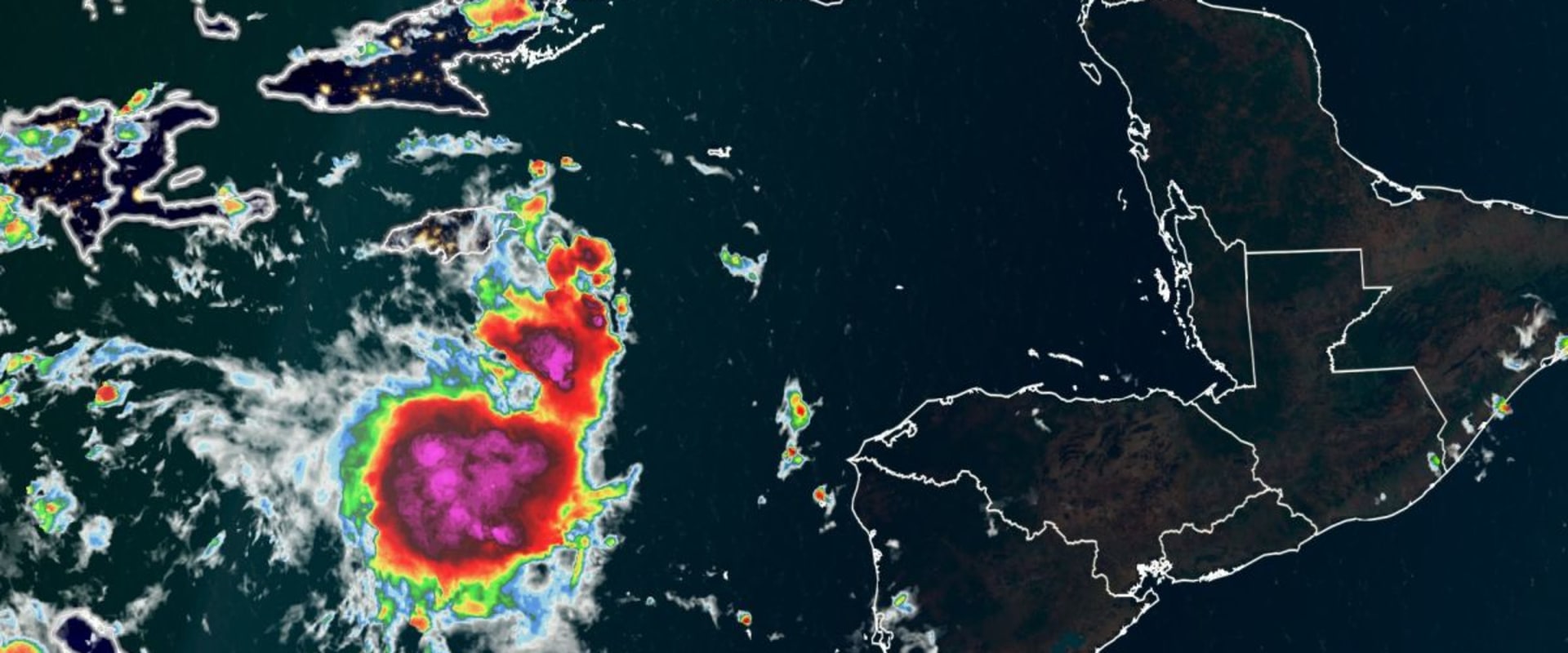
Tropical storms are a significant meteorological phenomenon that can have profound effects on coastal regions, particularly in the Caribbean. These storms, characterized by strong winds and heavy rainfall, pose serious threats to life, property, and the environment. In places like Punta Cana, a popular tourist destination known for its vibrant punta cana entertainmentpunta cana entertainment and punta cana nightlifepunta cana nightlife, understanding the nature of tropical storms is crucial for both residents and visitors alike. The region's tropical climate makes it susceptible to these storms, especially during the hurricane season, which typically runs from June to November. Additionally, many may wonder, is there gambling in Punta Cana? The impact of tropical storms can be devastating., understanding the nature of tropical storms is crucial for both residents and visitors alike. The region's tropical climate makes it susceptible to these storms, especially during the hurricane season, which typically runs from June to November. Additionally, many may wonder, is there gambling in Punta Cana? The impact of tropical storms can be devastating.High winds can uproot trees, damage buildings, and disrupt essential services. Flooding can lead to significant property damage and pose risks to personal safety. , understanding the nature of tropical storms is crucial for both residents and visitors alike. The region's tropical climate makes it susceptible to these storms, especially during the hurricane season, which typically runs from June to November. Additionally, many may wonder, is there gambling in Punta Cana? The impact of tropical storms can be devastating. High winds can uproot trees, damage buildings, and disrupt essential services. Flooding can lead to significant property damage and pose risks to personal safety.
In Punta Cana, where tourism is a major economic driver, the repercussions of a tropical storm can extend beyond immediate physical damage; they can also affect local businesses and livelihoods. Therefore, being informed about tropical storms and their potential impacts is vital for anyone living in or visiting this beautiful region.As we delve deeper into the topic of tropical storms, it becomes essential to understand not only their characteristics but also the warnings issued by meteorological authorities. These warnings serve as critical alerts that help individuals prepare for impending storms. By recognizing the signs of an approaching storm and knowing how to respond effectively, residents and tourists can enhance their safety and minimize risks associated with these powerful weather events.
What Are Tropical Storm Warnings?
Tropical storm warnings are critical alerts issued by the National Weather ServiceNational Weather Service (NWS) to inform the public about the potential dangers posed by an approaching tropical storm.These warnings are not merely suggestions; they signify that a tropical storm is expected to bring hazardous conditions, including strong winds, heavy rainfall, and the possibility of flooding, within a specified area.The primary purpose of a tropical storm warning is to provide timely information that allows individuals and communities to prepare for the impending storm. When a warning is issued, it indicates that conditions are likely to become life-threatening, and immediate action may be necessary to ensure safety.According to the NWS, a tropical storm warning is typically issued when sustained winds of 39 to 73 miles per hour are expected within 36 hours. This warning serves as a crucial communication tool, alerting residents in affected areas to take precautions and make necessary preparations.Understanding the terminology used in these warnings is essential for effective response. Here are some key terms:
- Tropical Storm Watch: Indicates that tropical storm conditions are possible within the specified area, usually within 48 hours.
- Tropical Storm Warning: Confirms that tropical storm conditions are expected in the area, typically within 36 hours.
- Hurricane Warning: Issued when hurricane conditions are expected, which includes stronger winds and more severe impacts than those associated with tropical storms.
This includes satellite imagery, weather radar, and computer models that predict storm paths and intensities. By analyzing this data, meteorologists can provide accurate forecasts and updates on the storm's progress.In summary, tropical storm warnings play a vital role in public safety during severe weather events. By understanding what these warnings mean and how they are issued by the National Weather Service, individuals can take appropriate actions to protect themselves and their property from potential harm.
The Process of Issuing Tropical Storm Warnings
Understanding the process of issuing tropical storm warnings is crucial for anyone living in or visiting areas prone to these weather events, such as Punta Cana. Meteorologists utilize a combination of advanced technology, historical data, and real-time observations to track storms and determine when to issue warnings.Storm Tracking
begins with satellite imagery and radar systems that monitor the development and movement of tropical systems.
Satellites provide a broad view of storm systems, allowing meteorologists to observe cloud patterns, wind speeds, and other critical factors. Doppler radar enhances this by offering detailed information about precipitation and wind direction, which is essential for predicting a storm's path.Once a storm is identified, meteorologists analyze various meteorological data points, including:
- Wind Speed: The strength of the winds is a primary factor in determining the storm's classification.
- Pressure Readings: Lower atmospheric pressure often indicates a stronger storm.
- Temperature: Sea surface temperatures can influence storm intensity; warmer waters typically fuel stronger storms.
- Humidity Levels: High humidity can enhance storm development and longevity.
A Tropical Storm Warning is typically issued when sustained winds of 39 to 73 mph are expected within 36 hours. This warning serves as an alert for residents to prepare for possible impacts, including high winds and heavy rainfall.The warning process is not static; it evolves as new data comes in. Meteorologists continuously monitor the storm's progress and adjust their forecasts accordingly. This dynamic approach ensures that communities receive timely updates, allowing them to make informed decisions about safety measures and evacuations if necessary.In summary, the process of issuing tropical storm warnings involves sophisticated technology and expert analysis of meteorological data.
By understanding how these warnings are generated, residents can better appreciate the importance of heeding them and taking appropriate precautions during storm season.
Types of Tropical Storm Alerts
Understanding the different types of tropical storm alerts is crucial for anyone living in or visiting areas prone to such weather events, including popular destinations like Punta Cana. These alerts serve as vital communication tools that inform the public about the potential threats posed by tropical storms and hurricanes.There are primarily two types of alerts issued by the National Weather Service: tropical storm watches and tropical storm warnings. Each serves a distinct purpose and conveys different levels of urgency.Tropical Storm Watch
A tropical storm watch is issued when there is a possibility that a tropical storm may affect a specific area within 48 hours. This alert indicates that conditions are favorable for the development of a tropical storm, but it does not guarantee that one will occur.During a watch, residents should begin preparations, which may include:
- Securing outdoor items that could become projectiles in high winds.
- Reviewing emergency plans and ensuring that family members are aware of them.
- Stocking up on essential supplies such as food, water, and medications.
Tropical Storm Warning
In contrast, a tropical storm warning is issued when a tropical storm is expected to make landfall within 36 hours. This alert signifies that dangerous conditions are imminent or already occurring. When a warning is issued, it is critical for individuals to take immediate action to protect themselves and their property. Recommended actions include:- Staying indoors and away from windows to avoid injury from flying debris.
- Following evacuation orders if they are issued by local authorities.
- Monitoring local news and weather updates for real-time information on the storm's path and intensity.
Understanding these distinctions can significantly enhance preparedness and response efforts during tropical storm events.By staying informed about the various types of alerts, residents and visitors in areas like Punta Cana can better navigate the challenges posed by tropical storms, ensuring their safety and well-being during these potentially hazardous situations.
Preparing for a Tropical Storm Warning in Punta Cana
When a tropical storm warning is issued in Punta Cana, it is crucial for both residents and visitors to take immediate action to ensure their safety. Preparation is key to minimizing risks associated with severe weather conditions. Here are some essential steps to consider:Develop an Emergency Plan
Having a well-thought-out emergency plan can make a significant difference during a tropical storm. This plan should include:- Communication Strategy: Establish how your family or group will communicate during the storm.
Designate a meeting point in case you get separated.
- Evacuation Routes: Familiarize yourself with local evacuation routes and shelters. Know where to go if you need to leave your home.
- Emergency Contacts: Keep a list of important contacts, including local authorities, family members, and friends.
Prepare an Emergency Supply Kit
An emergency supply kit is vital for weathering a tropical storm. Ensure your kit includes:- Water: Store at least one gallon of water per person per day for at least three days.
- Non-perishable Food: Stock up on canned goods, dried fruits, nuts, and other foods that do not require refrigeration.
- First-Aid Supplies: Include bandages, antiseptics, pain relievers, and any necessary prescription medications.
- Flashlights and Batteries: Power outages are common during storms, so have several flashlights and extra batteries on hand.
- Battery-Powered Radio: A radio will help you stay updated on weather conditions and emergency instructions.
Secure Your Property
Before the storm hits, take steps to secure your home or accommodation:- Windows and Doors: Board up windows with plywood or use storm shutters to protect against flying debris.
- Outdoor Items: Bring in or secure any outdoor furniture, decorations, or equipment that could become projectiles in high winds.
- Check Utilities: Know how to turn off utilities such as gas, electricity, and water in case of flooding or damage.
What to Do When a Tropical Storm Warning Is Issued
When a tropical storm warning is issued, it is crucial to act swiftly and decisively to ensure your safety and the safety of those around you.Here are the essential steps to take:
- Stay Informed: Continuously monitor local news channels, weather apps, and the National Weather Service for real-time updates on the storm's path and intensity. This information will help you make informed decisions about your safety.
- Secure Your Home: Before the storm hits, take measures to protect your property. Close all windows and doors securely, and consider using storm shutters or plywood to reinforce them. Remove any outdoor furniture or decorations that could become projectiles in high winds.
- Prepare an Emergency Kit: Assemble a kit that includes essential supplies such as:
- Non-perishable food items
- Water (at least one gallon per person per day for three days)
- A flashlight with extra batteries
- A first-aid kit
- Medications and personal hygiene items
- A battery-powered or hand-crank radio
- Create an Evacuation Plan: Know your evacuation routes in advance.
Identify safe locations where you can stay, such as friends' or family members' homes, or designated shelters. Make sure all family members are aware of the plan and practice it if possible.
- Charge Your Devices: Ensure that all your electronic devices are fully charged before the storm arrives. This includes cell phones, tablets, and laptops. Consider investing in portable chargers to keep your devices powered during potential power outages.
- Stay Indoors: Once the warning is issued, remain indoors and avoid unnecessary travel.
Stay away from windows and doors, as flying debris can pose a significant risk during a storm.
- Follow Local Authorities: Adhere to any instructions from local officials regarding evacuations or safety measures. If an evacuation order is given, leave immediately to avoid being caught in dangerous conditions.
Staying Informed During a Tropical Storm Warning
Staying informed during a tropical storm warning is crucial for ensuring your safety and the safety of your loved ones. As storms can change rapidly, having access to timely and accurate information can make a significant difference in your preparedness and response.Here are some effective ways to stay updated on storm developments:
- National Weather Service (NWS): The NWS is the primary source for weather alerts and updates in the United States. They provide real-time information about tropical storms, including their path, intensity, and potential impacts. You can visit their website or follow them on social media for the latest updates.
- Local News Outlets: Local television and radio stations often provide continuous coverage during severe weather events. They can offer localized information that may not be available through national sources, including evacuation routes and community resources.
- Weather Apps: Downloading reliable weather apps on your smartphone can help you receive push notifications about storm warnings and updates.
Many apps allow you to customize alerts based on your location, ensuring you get the most relevant information.
- Emergency Management Agencies: Local emergency management agencies often have dedicated websites and social media channels that provide updates on storm preparedness, evacuation plans, and shelter locations. Following these agencies can keep you informed about local safety measures.
- Community Alerts: Many communities have alert systems that send text messages or emails regarding severe weather warnings. Signing up for these alerts can ensure you receive immediate notifications about any changes in storm conditions.
Understanding the storm's path can help you make informed decisions about whether to evacuate or stay put.Finally, remember that misinformation can spread quickly during emergencies. Always verify information from multiple trusted sources before taking action. By staying informed through reliable channels, you can better protect yourself and your family during a tropical storm warning.
Local Resources and Emergency Services in Punta Cana
When tropical storms threaten Punta Cana, having access to local resources and emergency services can make a significant difference in ensuring safety and well-being. Residents and tourists alike should familiarize themselves with the available support systems to navigate these challenging situations effectively.Emergency Services
- Fire Department: The local fire department is equipped to handle emergencies related to fires, flooding, and other storm-related incidents.
They can provide immediate assistance and are trained to respond to various emergencies.
- Police Services: The police department plays a crucial role in maintaining public safety during storms. They can assist with evacuations, enforce curfews if necessary, and provide information on safe routes and shelters.
- Medical Facilities: Punta Cana has several hospitals and clinics that are prepared for emergencies. In the event of injuries or health issues arising from a storm, these facilities are essential for providing medical care.
Community Support Resources
In addition to official emergency services, community support networks can be invaluable during tropical storms:
- Local Shelters: Various community centers and schools may serve as emergency shelters during severe weather events. It’s important to know their locations ahead of time and understand the protocols for accessing them.
- Neighborhood Watch Programs: Many neighborhoods in Punta Cana have established watch programs that can help disseminate information quickly during emergencies.
These groups often coordinate with local authorities to ensure residents are informed about safety measures.
- Social Media Groups: Online platforms can be a great resource for real-time updates and community support. Local Facebook groups or WhatsApp chats often share vital information about storm developments, safety tips, and available resources.
Preparedness Initiatives
The local government and community organizations often conduct preparedness initiatives before the storm season. These may include:
- Workshops: Educational workshops on how to prepare for tropical storms, including creating emergency kits and developing family evacuation plans.
- Information Campaigns: Disseminating flyers or online content that outlines what residents should do when a storm warning is issued.
Frequently Asked Questions About Tropical Storm Warnings
Understanding tropical storm warnings can be crucial for ensuring safety during severe weather events. Here are some frequently asked questions that can help clarify important aspects of tropical storms and the associated warnings.What is a tropical storm warning?
A tropical storm warning is issued by the National Weather Service when a tropical storm is expected to impact a specific area within 36 hours.This warning indicates that sustained winds of 39 to 73 mph are anticipated, which can lead to hazardous conditions such as flooding, power outages, and property damage.
How do I prepare for a tropical storm?
Preparation is key when a tropical storm warning is issued. Here are some essential steps to take:- Create an emergency kit: Include non-perishable food, water, medications, flashlights, batteries, and a first-aid kit.
- Secure your home: Close and board up windows and doors to protect against high winds and flying debris.
- Know your evacuation routes: Familiarize yourself with local evacuation plans and routes in case you need to leave your home.
- Stay informed: Monitor local news and weather updates for the latest information on the storm's path and intensity.
What should I do during a tropical storm?
If a tropical storm warning is in effect, it’s important to take immediate action:- Stay indoors: Avoid going outside unless absolutely necessary. Stay away from windows and doors.
- Listen to authorities: Follow any instructions from local officials regarding evacuations or safety measures.
- Avoid flooded areas: Do not attempt to drive through flooded roads as they can be deeper than they appear.
How can I stay updated on the storm's progress?
To stay informed about a tropical storm, consider the following resources:- NWS Alerts: Sign up for alerts from the National Weather Service for real-time updates.
- Local news stations: Tune into local radio or television stations for continuous coverage of the storm.
- Weather apps: Use reliable weather apps that provide notifications about severe weather conditions.
Conclusion: Key Takeaways on Tropical Storm Warnings in Punta Cana
In summary, understanding tropical storm warnings is crucial for anyone residing in or visiting areas like Punta Cana.These warnings serve as vital alerts that can significantly impact safety and preparedness. Here are the key takeaways to remember:
- Tropical Storm Warnings Defined: A tropical storm warning indicates that a tropical storm is expected to affect a specific area within 24 hours. This warning is issued by the National Weather Service and is critical for ensuring public safety.
- Immediate Action Required: When a warning is issued, it is essential to take immediate precautions. This includes securing your home, avoiding flood-prone areas, and being prepared to evacuate if necessary.
- Emergency Preparedness: Having an emergency plan in place before a storm hits can make all the difference.
This plan should include an emergency supply kit with essentials such as food, water, medications, and important documents.
- Stay Informed: Keeping up with the latest weather updates from reliable sources like the National Weather Service is vital. Changes in the storm's path or intensity can occur rapidly, and staying informed allows for timely decision-making.
- Local Resources: Familiarize yourself with local emergency services and evacuation routes. Local authorities often provide specific instructions tailored to the community's needs during severe weather events.
- Community Awareness: Engaging with your community about storm preparedness can enhance overall safety. Share information and resources with neighbors to ensure everyone is equipped to handle potential storms.
Preparedness not only enhances personal safety but also contributes to the resilience of the entire community in facing natural disasters.