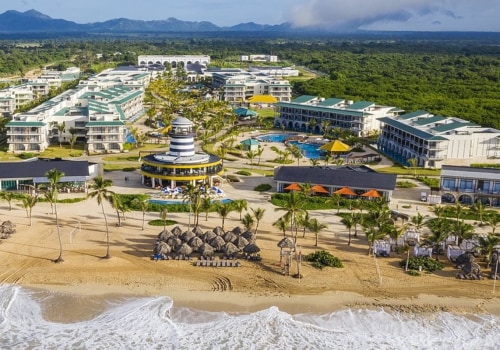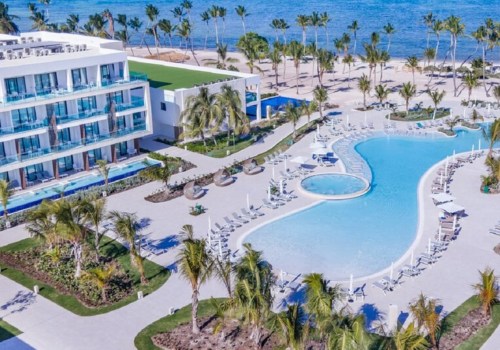
Punta Cana, a stunning destination known for its pristine beaches and luxurious resorts, is also a region steeped in rich history and cultural significance. While many visitors flock to this Caribbean paradise for sun-soaked relaxation, few realize that beneath its modern facade lies a tapestry of stories woven from the threads of indigenous heritage, colonial encounters, and the evolution of local traditions. Understanding the history of Punta Cana is essential for anyone looking to appreciate the depth of this vibrant locale and discover the many things to do in Bavaro Punta Canathings to do in Bavaro Punta Cana, including exploring the area's Taino roots and experiencing its unique blend of cultures. The area was originally inhabited by the Taino people, who thrived on the island long before European explorers arrived.
Their legacy can still be felt today, as remnants of their culture are interspersed throughout the region. From ancient petroglyphs etched into cave walls to sacred sites that once held spiritual significance, the Taino influence is a vital part of discovering all the things to do in Punta Cana Hardthings to do in Punta Cana Hard .As you explore the historical sites in Punta Cana, you will uncover fascinating insights into how these early inhabitants lived in harmony with nature and established a rich cultural framework.With the arrival of Spanish colonizers in the late 15th century, Punta Cana underwent significant transformations. The colonial period brought about new architectural styles and religious influences that shaped the landscape. Today, visitors can marvel at beautifully preserved churches and colonial buildings that stand as testaments to this era. .As you explore the historical sites in Punta Cana, you will uncover fascinating insights into how these early inhabitants lived in harmony with nature and established a rich cultural framework.With the arrival of Spanish colonizers in the late 15th century, Punta Cana underwent significant transformations. The colonial period brought about new architectural styles and religious influences that shaped the landscape. Today, visitors can marvel at beautifully preserved churches and colonial buildings that stand as testaments to this era.
These cultural landmarks not only showcase stunning craftsmanship but also serve as reminders of the complex history that has shaped Punta Cana into what it is today.As we delve deeper into the historical sites and landmarks of Punta Cana, you will discover how each location tells a unique story—one that reflects the resilience and creativity of its people. Whether you are an avid history buff or simply curious about the past, exploring these sites will enrich your understanding of Punta Cana's cultural heritage and provide a deeper connection to this enchanting destination.
The Taino Legacy: Ancient Roots of Punta Cana
The Taino people were the indigenous inhabitants of the Caribbean, including the region that is now known as Punta Cana. Their rich history and cultural practices have left an indelible mark on the area, making it essential to explore their legacy when visiting this beautiful destination.Before the arrival of European colonizers, the Taino people thrived in the Dominican Republic, living in organized communities and engaging in agriculture, fishing, and trade. They cultivated crops such as cassava, maize, and sweet potatoes, which formed the backbone of their diet.The Taino were also skilled artisans, creating intricate pottery and weaving textiles that showcased their artistic talents.One of the most significant aspects of Taino culture was their spiritual beliefs. They worshipped a pantheon of gods and practiced rituals that were deeply connected to nature. Sacred sites, such as caves and natural formations, were often used for ceremonies and offerings. These ancient practices can still be felt in the region today, as many locals honor their Taino heritage.
Archaeological Sites in Punta Cana
For those interested in exploring the ancient sites in Punta Cana , several archaeological locations provide insight into Taino life.One notable site is Los Haitises National Park, where visitors can find ancient petroglyphs carved into cave walls. These rock carvings depict various symbols and figures that are believed to represent Taino deities and important aspects of their daily lives.Another significant site is Cueva de las Maravillas, or Cave of Wonders, which features stunning stalactites and stalagmites alongside Taino artifacts. Guided tours through this cave allow visitors to appreciate both its natural beauty and its historical significance.The Taino legacy is not only preserved in archaeological sites but also in the language and customs of modern Dominicans. Many words used in everyday conversation have Taino origins, reflecting the enduring influence of this ancient culture.In conclusion, understanding the history of the Taino people is crucial for anyone looking to experience all that Punta Cana has to offer.
Their rich cultural heritage continues to shape the identity of this region, making it a fascinating destination for history enthusiasts and travelers alike.
Colonial Era Influences: Churches and Architecture
The colonial era has left an indelible mark on the architecture of Punta Cana, with numerous churches and historical buildings that reflect the rich cultural tapestry woven by Spanish colonization. These structures not only serve as places of worship but also as testaments to the artistic and architectural influences that shaped the region.One of the most notable examples of colonial churches in Punta Cana is the Higüey Cathedral, officially known as the Basilica de Nuestra Señora de la Altagracia. This magnificent structure, completed in 1971, is a modern interpretation of traditional Spanish colonial architecture, featuring a striking triangular roof and intricate stained glass windows. The cathedral is dedicated to the patron saint of the Dominican Republic and attracts thousands of visitors each year, both for its religious significance and its architectural beauty.Another significant site is the San Juan Bautista Church, located in the nearby town of Higüey.Built in 1540, this church is one of the oldest in the country and showcases classic Spanish colonial design elements such as thick stone walls, wooden beams, and a simple yet elegant altar. The church's historical importance is underscored by its role in local community life, serving as a gathering place for celebrations and religious events.The influence of Spanish architecture extends beyond churches to various historical buildings scattered throughout Punta Cana. Many of these structures exhibit characteristics typical of colonial design, including:
- Arched doorways and windows that allow for natural light while providing ventilation.
- Tile roofs made from clay or terracotta, which are not only aesthetically pleasing but also practical for rainwater drainage.
- Courtyards that serve as communal spaces, often adorned with lush gardens and fountains.
They serve as reminders of the region's complex history and are vital for understanding the evolution of Dominican identity. As you wander through Punta Cana, take time to appreciate these remarkable structures that stand as monuments to a bygone era.
Higüey Cathedral: A Symbol of Faith and History
The Higüey Cathedral , officially known as the Basilica de Nuestra Señora de la Altagracia, stands as a monumental testament to the rich history and faith of the Dominican Republic. Located in the bustling town of Higüey, this cathedral is not only a place of worship but also a significant cultural landmark that attracts visitors from around the world.Historical Context
The origins of the Higüey Cathedral date back to 1552 when it was first constructed under the guidance of Father Nicolas de Ovando. The cathedral was built to honor Our Lady of Altagracia, the patron saint of the Dominican Republic, whose venerated image is housed within its walls.
Over the centuries, the cathedral has undergone several renovations and expansions, particularly after it was damaged by earthquakes in the 18th century. The current structure, completed in 1971, showcases a blend of modern and traditional architectural styles, reflecting both its historical roots and contemporary influences.
Architectural Significance
The architectural design of Higüey Cathedral is striking and unique. Its most notable feature is the soaring concrete roof that resembles an open hand, symbolizing a gesture of prayer and supplication. This innovative design was conceived by architect Gabriel Méndez, who aimed to create a space that would inspire awe and reverence among worshippers and visitors alike.
The cathedral's façade is adorned with intricate mosaics and sculptures that depict various biblical scenes, adding to its visual appeal.Inside, the cathedral boasts stunning stained glass windows that filter sunlight into vibrant colors, illuminating the interior with a divine glow. The altar is another focal point, featuring an exquisite representation of Our Lady of Altagracia, which draws pilgrims from across the nation who come to pay their respects.
Visiting Higüey Cathedral
A visit to Higüey Cathedral is an enriching experience for anyone interested in history, architecture, or spirituality. The cathedral is open to the public daily, allowing visitors to explore its sacred spaces and appreciate its artistic details. Guided tours are available for those who wish to delve deeper into its history and significance.In addition to its architectural beauty, Higüey Cathedral serves as a vibrant center for community events and religious celebrations.
The annual pilgrimage to honor Our Lady of Altagracia attracts thousands of devotees each January, making it a lively time to experience the local culture.In conclusion, Higüey Cathedral stands as a symbol of faith and resilience in Punta Cana's rich tapestry of history. Its architectural grandeur and spiritual significance make it a must-visit destination for anyone exploring this beautiful region.
Exploring Altos de Chavón: A Mediterranean Village in the Caribbean
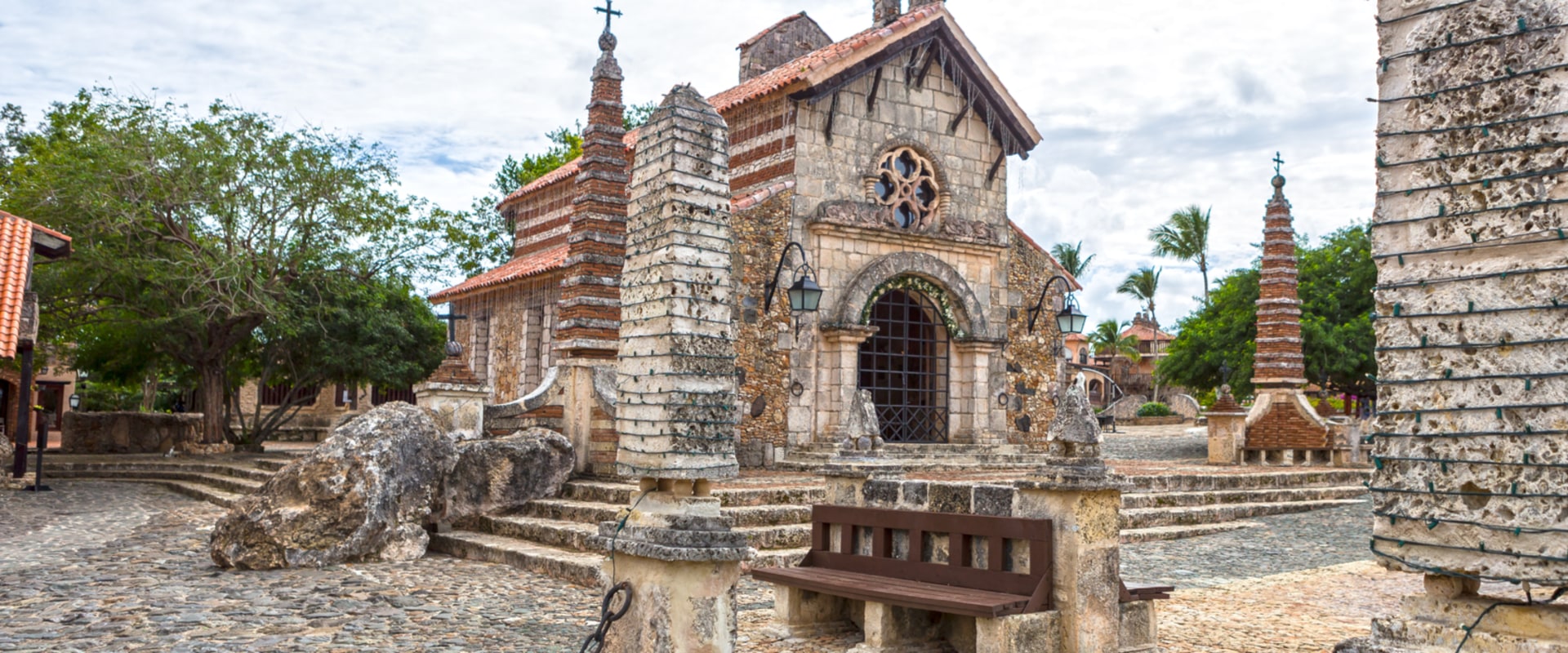
Altos de Chavón is a remarkable cultural gem nestled along the banks of the Chavón River in the Dominican Republic, offering visitors a unique glimpse into a meticulously crafted replica of a 16th-century Mediterranean village. This enchanting site was established in the 1970s, designed by Italian architect Roberto Copa, who sought to recreate the charm and architectural beauty of Mediterranean towns. The village is constructed from local limestone and coral stone, giving it an authentic feel that transports visitors back in time.The history of Altos de Chavón is as rich as its architecture.Originally conceived as a cultural center, it has evolved into a vibrant hub for artists, musicians, and craftsmen. The village features cobblestone streets lined with quaint shops, art galleries, and restaurants that reflect the local culture and heritage. Visitors can wander through these charming pathways, soaking in the atmosphere while discovering unique handmade crafts and artworks.One of the standout features of Altos de Chavón is its impressive amphitheater, which seats 5,000 people and hosts various performances throughout the year. This venue has welcomed numerous international artists and musicians, making it a significant cultural landmark in Punta Cana.
The amphitheater not only serves as a stage for entertainment but also as a gathering place for community events and celebrations.In addition to its artistic offerings, Altos de Chavón is home to a museum that showcases the history and culture of the Dominican Republic. Here, visitors can learn about the island's indigenous Taino roots, colonial past, and the evolution of its artistic expressions. The museum provides an educational experience that complements the visual beauty of the village.For those seeking hands-on experiences, Altos de Chavón offers workshops where visitors can engage in traditional Dominican crafts such as pottery, weaving, and painting. These interactive sessions allow guests to connect with local artisans and gain insight into their techniques and cultural significance.In summary, Altos de Chavón stands out as a must-visit destination for anyone exploring Punta Cana.
Its blend of historical architecture, cultural experiences, and artistic endeavors makes it a unique representation of both Mediterranean influence and Dominican heritage. Whether you are an art enthusiast or simply looking to immerse yourself in local culture, Altos de Chavón promises an unforgettable experience that captures the essence of this beautiful Caribbean region.
Finca La Guacima: A Glimpse into Sugar Plantation Life
Finca La Guacima stands as a remarkable testament to the rich history of sugar production in the Dominican Republic. Established in 1750, this former sugar plantation offers visitors a unique opportunity to step back in time and explore the intricate details of plantation life during a pivotal era in Caribbean history.The plantation was once a bustling hub of activity, where sugarcane was cultivated and processed into one of the most lucrative commodities of its time. The significance of sugar plantations like Finca La Guacima cannot be overstated; they played a crucial role in shaping the economy and social structure of the region.As you wander through the grounds, you can almost hear the echoes of the past, where laborers toiled under the sun, and the sweet scent of sugarcane filled the air.Visitors to Finca La Guacima can embark on guided tours that delve into the plantation's storied past. These tours are designed to educate guests about the historical context of sugar production in the Dominican Republic, including:
- The Evolution of Sugar Production: Learn how sugarcane cultivation evolved over centuries, from its introduction by European colonizers to its peak during the 18th and 19th centuries.
- Life on the Plantation: Gain insight into the daily lives of those who worked on the plantation, including enslaved individuals and their descendants, who contributed significantly to the region's cultural heritage.
- Architectural Significance: Explore the beautifully preserved main house and outbuildings that showcase traditional Spanish architectural styles, providing a glimpse into colonial life.
- Environmental Impact: Understand how sugar production has influenced local ecosystems and agricultural practices over time.
Whether you are a history buff or simply curious about the cultural roots of Punta Cana, Finca La Guacima offers an enriching experience that is not to be missed.
Natural Wonders: Caves and Sacred Sites of the Taino People
The Taino people, the indigenous inhabitants of the Dominican Republic, left behind a rich tapestry of cultural and spiritual significance that can still be explored today. Among their most notable contributions are the caves and sacred sites scattered throughout Punta Cana, which offer a glimpse into their spiritual beliefs and practices.One of the most significant natural landmarks associated with the Taino culture is the Cueva de las Maravillas , or Cave of Wonders. This stunning cave system is located just a short drive from Punta Cana and features impressive stalactites and stalagmites, as well as ancient petroglyphs carved into the rock by the Taino people. These carvings depict various aspects of their daily life, including hunting scenes and spiritual symbols, providing valuable insight into their worldview.Another important site is the Cueva de los Tainos , which is renowned for its archaeological significance.This cave served as a ceremonial site where the Taino conducted rituals to honor their gods and ancestors. Visitors can explore the cave's interior, where they will find remnants of ceremonial artifacts and offerings that were left behind by the Taino people. The atmosphere within these caves is often described as mystical, making it a perfect spot for those interested in understanding the spiritual connection that the Taino had with nature.In addition to caves, there are several sacred sites throughout Punta Cana that hold historical importance. For instance, El Salado , a natural spring believed to have healing properties, was revered by the Taino as a source of life and vitality.
Today, visitors can experience this tranquil setting while learning about its significance in Taino culture.Exploring these natural wonders not only allows visitors to appreciate the breathtaking beauty of Punta Cana but also provides an opportunity to connect with the rich history of its first inhabitants. The caves and sacred sites serve as a reminder of the deep respect that the Taino had for their environment and their belief in the interconnectedness of all living things.For those looking to delve deeper into Taino culture, guided tours are available that focus on these historical sites. These tours often include knowledgeable guides who share stories and insights about the Taino way of life, enhancing your understanding of this fascinating culture.In conclusion, exploring the Taino caves and sacred sites in Punta Cana offers a unique opportunity to connect with the past while enjoying some of nature's most stunning landscapes. Whether you are an avid history buff or simply curious about indigenous cultures, these sites are essential stops on your journey through Punta Cana.
Visiting Historical Sites: Tips for Travelers
Exploring the historical sites of Punta Cana can be a rewarding experience, but to make the most of your visit, it’s essential to plan ahead.Here are some practical tips for travelers looking to delve into the rich history of this beautiful region.
Best Time to Visit Historical Sites
The ideal time to explore Punta Cana's historical landmarks is during the dry season, which runs from December to April. During these months, you can expect pleasant weather with minimal rainfall, making it easier to enjoy outdoor activities and tours. Additionally, visiting during the early morning or late afternoon can help you avoid the heat and crowds, allowing for a more enjoyable experience.Guided Tours: A Deeper Understanding
While many historical sites can be visited independently, joining a guided tour can significantly enhance your understanding of Punta Cana's history. Knowledgeable guides often share fascinating stories and insights that you might miss on your own.Look for tours that focus on specific themes, such as Taino culture or colonial architecture, to tailor your experience to your interests.
What to Bring
- Comfortable Footwear: Many historical sites involve walking on uneven terrain or cobblestone streets, so wear sturdy shoes.
- Water: Stay hydrated, especially if you’re visiting during warmer months.
- Camera: Capture the beauty of the landmarks and the surrounding landscapes.
- Sunscreen and Hat: Protect yourself from the sun while exploring outdoor sites.
Respect Local Customs
When visiting religious sites like the Higüey Cathedral, dress modestly and be respectful of local customs. This not only shows respect for the culture but also enhances your overall experience.Plan Your Itinerary
To maximize your time, consider creating an itinerary that includes multiple historical sites in one day. For example, you could start with a visit to Finca La Guacima in the morning, followed by a trip to Altos de Chavón in the afternoon. This approach allows you to immerse yourself in the history without feeling rushed.By following these tips, you can ensure that your exploration of Punta Cana's historical sites is both enjoyable and enriching.Whether you're wandering through ancient ruins or admiring colonial architecture, each landmark offers a unique glimpse into the past of this vibrant region.
Conclusion: Embracing the History of Punta Cana
As we conclude our exploration of the historical sites and landmarks of Punta Cana, it becomes clear that this vibrant region is not just a paradise for sun-seekers and beach lovers, but also a treasure trove of rich cultural heritage and history. From the ancient remnants of the Taino civilization to the stunning colonial architecture that dots the landscape, Punta Cana offers a unique glimpse into the past that is both educational and inspiring.Throughout this journey, we have uncovered significant sites such as the Higüey Cathedral , a magnificent example of Spanish colonial architecture that stands as a testament to the region's religious and cultural evolution. The cathedral's intricate designs and historical significance make it a must-visit for anyone wanting to understand the roots of Punta Cana.We also ventured into Altos de Chavón , where the charm of a 16th-century Mediterranean village comes alive. This artistic enclave not only showcases stunning architecture but also serves as a hub for local artisans, providing visitors with an opportunity to engage with Dominican culture through crafts and performances.Moreover, sites like Finca La Guacima remind us of the agricultural history that shaped this region.The preserved plantation offers insights into the sugar industry's impact on the local economy and society, allowing visitors to appreciate the complexities of Punta Cana's past.In summary, embracing the history of Punta Cana enriches our understanding of this beautiful destination. It encourages us to look beyond its stunning beaches and luxurious resorts, inviting us to delve deeper into its cultural tapestry. We encourage you to take time during your visit to explore these historical landmarks, as they provide not only context but also a connection to the people and events that have shaped this area over centuries.As you plan your next trip, consider setting aside time to visit these remarkable sites. Each location tells a story waiting to be discovered, offering a unique perspective on what makes Punta Cana truly special.
By appreciating its history, you will enhance your travel experience and gain a deeper respect for this enchanting Caribbean paradise.