Punta Cana is renowned for its stunning beaches and luxurious resorts, but there lies a rich tapestry of cultural and spiritual experiences waiting to be uncovered. Exploring the religious sites in Punta Cana offers visitors a unique opportunity to delve into the local heritage, providing insights into the traditions and beliefs that shape this vibrant community. These sacred spaces are not merely architectural wonders; they are living testaments to the faith and history of the Dominican Republic.As you embark on this journey, you will find that each religious site tells a story, reflecting the diverse influences that have shaped Punta Cana over the centuries. From colonial-era churches adorned with intricate artwork to modern places of worship that embrace contemporary design, these sites serve as a bridge connecting the past with the present.
Engaging with these locations allows travelers to experience a profound sense of peace and reflection, making it an essential part of any visit.Moreover, immersing yourself in the spiritual atmosphere of these sites can lead to a deeper understanding of the local culture. Whether you are seeking a spiritual journey or simply wish to appreciate the artistry and history behind these structures, Punta Cana's religious landmarks offer something for everyone. As you explore, you will discover how faith intertwines with daily life in this tropical paradise, enriching your overall experience and leaving you with lasting memories.
The Historical Significance of Religious Sites
The religious sites in Punta Cana are not merely places of worship; they are vital components of the region's cultural heritage and history. Each site tells a story that reflects the evolution of the community, its beliefs, and its artistic expressions over centuries.Many of these sites date back to the early colonial period when Spanish settlers brought their faith and architectural styles to the New World.For instance, the San Rafael Church, constructed in 1735, showcases a blend of Spanish Baroque and Dominican influences. This church not only serves as a spiritual center but also stands as a testament to the resilience and adaptation of local culture amidst colonial pressures.As you explore these religious landmarks, you will notice that they often incorporate elements from indigenous traditions, creating a unique fusion that characterizes the Dominican Republic's spiritual landscape. The La Altagracia Church, built in 1620, is another prime example. Its intricate carvings and artwork depict local folklore, illustrating how religious narratives have intertwined with cultural identity over time.The historical significance of these sites extends beyond their architecture.
They have been gathering places for communities, serving as venues for important social and cultural events. Festivals, weddings, and communal gatherings often take place within their walls, reinforcing their role as pillars of community life.Moreover, these religious sites have witnessed significant historical events that shaped Punta Cana's development. From colonial struggles to modern-day celebrations, they have been silent witnesses to the passage of time. Understanding this context enriches your visit, allowing you to appreciate not just the beauty of these structures but also their profound impact on local history.In summary, exploring the religious sites in Punta Cana offers a window into the region's past.
Each church and chapel encapsulates stories of faith, resilience, and cultural blending that define the Dominican Republic's identity. As you walk through these sacred spaces, you engage with a living history that continues to evolve while honoring its roots.
San Felipe Chapel: A Tranquil Retreat
Nestled in the heart of Punta Cana, the San Felipe Chapel stands as a serene sanctuary that invites visitors to pause and reflect. This charming chapel, with its rich history and stunning architecture, offers a unique glimpse into the spiritual fabric of the Dominican Republic.Constructed in the early 20th century, San Felipe Chapel is not just a place of worship; it is a testament to the artistic and cultural heritage of the region. The chapel's exterior features a blend of traditional Dominican and Spanish architectural styles, characterized by its whitewashed walls and vibrant blue accents.As you approach the chapel, you are greeted by beautifully landscaped gardens that enhance its tranquil atmosphere.Upon entering, visitors are often struck by the serenity that envelops the space. The interior is adorned with intricate murals and religious iconography that tell stories of faith and devotion. The soft glow of natural light filtering through stained glass windows creates an ethereal ambiance, making it an ideal spot for quiet contemplation or prayer.For those seeking a deeper understanding of the chapel's significance, guided tours are available. These tours provide insights into the history of San Felipe Chapel, including its role in the local community and its importance as a spiritual retreat for both locals and tourists alike.
Visitors can learn about the various religious ceremonies held here, from weddings to baptisms, which highlight the chapel's ongoing relevance in contemporary Dominican life.The spiritual experience offered at San Felipe Chapel is further enriched by its location. Surrounded by lush greenery and the gentle sounds of nature, it serves as a peaceful escape from the bustling tourist areas of Punta Cana. Many visitors find themselves drawn to this chapel not only for its beauty but also for the sense of calm it provides.In addition to its spiritual offerings, San Felipe Chapel is also a hub for local art. The walls are often adorned with works from local artists, showcasing their talent and providing a platform for cultural expression.
This fusion of spirituality and art makes San Felipe Chapel a must-visit destination for anyone looking to explore the rich tapestry of Punta Cana's cultural landscape.Whether you are on a quest for spiritual enlightenment or simply wish to admire exquisite artistry in a peaceful setting, San Felipe Chapel promises an enriching experience that resonates long after your visit.
Cathedral of Our Lady of Guadalupe: A Historical Marvel
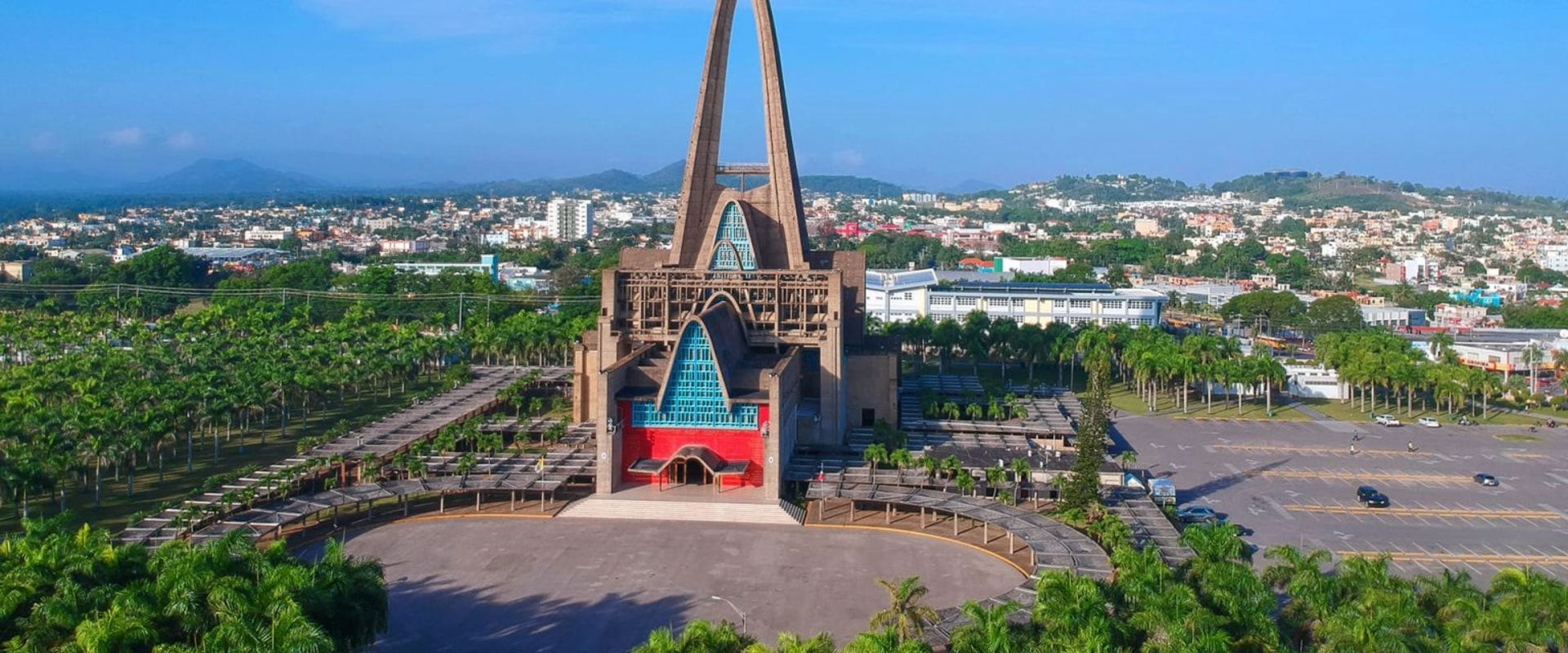
The Cathedral of Our Lady of Guadalupe stands as a testament to the rich cultural and religious heritage of Punta Cana. This magnificent structure, built in the 18th century, is not only a place of worship but also a historical landmark that attracts visitors from around the globe. Its architectural beauty and intricate details make it a must-visit for anyone exploring the spiritual sites in the region.As you approach the cathedral, you are greeted by its stunning façade, which showcases a blend of colonial and baroque architectural styles. The grand entrance is adorned with ornate carvings and decorative elements that reflect the craftsmanship of the era.Upon entering, visitors are often struck by the breathtaking interior, where stained glass windows filter sunlight into a kaleidoscope of colors, illuminating the sacred space.The stained glass windows are particularly noteworthy; they depict various biblical scenes and figures, adding to the spiritual ambiance of the cathedral. Each window tells a story, inviting visitors to pause and reflect on their meanings. The artistry involved in creating these windows is a testament to the skill and dedication of the artisans who crafted them.In addition to its architectural splendor, the Cathedral of Our Lady of Guadalupe is steeped in history. It has served as a focal point for religious gatherings and celebrations for centuries.
The cathedral is not just a place for prayer; it is also a community hub where locals come together to celebrate significant events in their lives, from weddings to baptisms.For those interested in learning more about its history, guided tours are available that delve into the cathedral's past and its role in shaping the local culture. These tours provide insights into how the cathedral has evolved over time and its significance within the Dominican Republic's religious landscape.Whether you are seeking a moment of reflection or simply wish to admire its architectural beauty, the Cathedral of Our Lady of Guadalupe offers an enriching experience. It stands as a symbol of faith and resilience, making it an essential stop on your journey through Punta Cana.
San Rafael Church: A Blend of Cultures
San Rafael Church stands as a remarkable testament to the rich tapestry of cultural influences that have shaped Punta Cana over the centuries. Established in 1735, this church is not only one of the oldest religious sites in the region but also a stunning example of how different architectural styles can harmoniously coexist.The church's façade is a striking blend of Spanish Baroque and Dominican architectural elements.Visitors are often captivated by the intricate details of its design, which features ornate columns, elaborate arches, and decorative motifs that reflect the artistic sensibilities of both cultures. The exterior is adorned with vibrant colors that enhance its visual appeal, making it a popular spot for photography enthusiasts and history buffs alike.Inside San Rafael Church, the atmosphere shifts to one of serene contemplation. The interior showcases a unique fusion of colonial and modern art, with beautiful sculptures and paintings that narrate stories from both local folklore and religious traditions. This artistic blend not only serves as a visual feast but also provides insight into the spiritual life of the community.Guided tours are available for those who wish to delve deeper into the church's history and significance.
These tours often highlight key features such as:
- The Altar: A focal point of worship, beautifully decorated with religious iconography.
- The Murals: Stunning artworks that depict various saints and biblical scenes, offering a glimpse into the local interpretation of faith.
- The Architecture: Insights into how the church's design reflects the cultural amalgamation present in Punta Cana.
La Altagracia Church: A Colonial Gem
La Altagracia Church stands as a remarkable testament to the rich colonial history of Punta Cana, captivating visitors with its stunning architecture and deep cultural significance. Constructed in 1620 , this church is not only a place of worship but also a symbol of the enduring legacy of the Dominican Republic's colonial past.The architectural style of La Altagracia Church is a beautiful representation of colonial architecture , characterized by its ornate columns and intricate carvings that adorn both the exterior and interior.The façade features a blend of Spanish Baroque and local influences, creating a unique aesthetic that draws the eye and invites exploration. As you approach the church, you will be greeted by its grand entrance, which showcases detailed stonework and religious motifs that reflect the artistry of the era.Inside, La Altagracia Church is equally impressive. The interior is adorned with stunning artwork that depicts scenes from local folklore and religious narratives, offering visitors a glimpse into the cultural tapestry of the region. The vibrant colors and intricate details of these artworks serve not only as decoration but also as a means of storytelling, connecting the past with the present.Among the many treasures housed within La Altagracia Church are various religious artifacts , each with its own story to tell.
These artifacts include beautifully crafted altars, statues of saints, and ceremonial items used in traditional religious practices. Each piece reflects the deep faith and devotion of the local community, making it an essential stop for those interested in understanding the spiritual heritage of Punta Cana.Visitors to La Altagracia Church often find themselves immersed in a serene atmosphere that encourages reflection and appreciation for both the artistry and history surrounding them. Whether you are drawn by your faith or simply wish to admire the architectural beauty, this church offers a profound experience that resonates long after your visit.In conclusion, La Altagracia Church is more than just a religious site; it is a cultural landmark that embodies the spirit of Punta Cana's history. Its colonial architecture and rich collection of religious artifacts make it a must-visit destination for anyone looking to delve deeper into the area's heritage.
Other Notable Religious Sites in Punta Cana
While Punta Cana is renowned for its stunning beaches and luxurious resorts, the region also boasts a variety of lesser-known religious sites that offer a deeper understanding of the local culture and spirituality.These hidden gems provide visitors with unique opportunities to explore the rich tapestry of faith that exists in this beautiful area.
Capilla de San Juan Bautista
Located in the heart of Bavaro, the Capilla de San Juan Bautista is a quaint chapel that often goes unnoticed by tourists. This charming site is dedicated to Saint John the Baptist and features simple yet beautiful architecture. The chapel's serene atmosphere makes it an ideal spot for quiet reflection or prayer. Visitors can appreciate the local community's devotion as they witness regular services and events held here.
Iglesia Cristiana Casa de Dios
The Iglesia Cristiana Casa de Dios is a vibrant Christian church that welcomes visitors from all walks of life.
Known for its lively worship services and community events, this church offers a glimpse into the contemporary spiritual life of Punta Cana. The congregation is known for its warmth and hospitality, making it a great place for travelers to connect with locals and experience a different aspect of Dominican culture.
Templo de la Luz del Mundo
This lesser-known temple, Templo de la Luz del Mundo, serves as a place of worship for members of the Light of the World Church. The temple's architecture is striking, featuring colorful stained glass windows that illuminate the interior with vibrant hues. Visitors are often welcomed to attend services, where they can learn about the church's beliefs and practices while enjoying the uplifting atmosphere.
Centro Cristiano Internacional
The Centro Cristiano Internacional is another notable religious site that emphasizes community engagement and spiritual growth.
This center hosts various activities, including Bible studies, youth programs, and outreach initiatives aimed at helping those in need. Visitors are encouraged to participate in these events, providing an enriching experience that fosters connections with both locals and fellow travelers.
Exploring Beyond the Main Attractions
These religious sites represent just a fraction of what Punta Cana has to offer in terms of spiritual exploration. Each location provides a unique perspective on the area's diverse faith traditions and invites visitors to engage with the local community in meaningful ways. Whether you are seeking a quiet place for reflection or an opportunity to connect with others through shared beliefs, these lesser-known churches and temples are well worth a visit.As you plan your trip to Punta Cana, consider setting aside time to explore these hidden treasures.
Not only will you gain insight into the spiritual landscape of the region, but you will also create lasting memories that go beyond sunbathing on the beach.
Practical Tips for Visiting Religious Sites
Visiting religious sites in Punta Cana can be a deeply enriching experience, but to ensure that your visit is respectful and enjoyable, it’s important to keep a few practical tips in mind.Dress Code for Churches
When visiting churches and other religious sites, adhering to a modest dress code is essential. Most places of worship require visitors to dress appropriately as a sign of respect. Here are some guidelines:- For Women: It is advisable to wear dresses or skirts that cover the knees. If you choose to wear pants, opt for loose-fitting styles.
Additionally, tops should have sleeves; if you wear a sleeveless top, consider bringing a shawl or scarf to cover your shoulders.
- For Men: Long pants are typically required, and shorts should be avoided. A collared shirt is preferred, and while t-shirts may be acceptable in some places, it’s best to choose something more formal.
- Footwear: Comfortable shoes are recommended as you may be walking on uneven surfaces. However, flip-flops or beach sandals are generally not appropriate.
Best Times to Visit Religious Sites
The timing of your visit can greatly enhance your experience at religious sites. Here are some tips on when to go:- Mornings: Early mornings are often the best time to visit.
The sites tend to be less crowded, allowing for a more peaceful experience. Additionally, the morning light can enhance the beauty of the architecture.
- Weekdays: If possible, plan your visit during the week rather than on weekends. Many locals attend services on Sundays, which can lead to larger crowds.
- Special Events: Check the local calendar for any religious festivals or events that may be taking place during your visit. These occasions can provide unique insights into the local culture and traditions.
Etiquette Tips
Being mindful of etiquette while visiting religious sites is crucial.Here are some key points to remember:
- Silence Your Phone: Ensure that your mobile phone is turned off or set to silent mode before entering any religious site.
- No Photography: Always check if photography is allowed. In many places, taking photos may be prohibited out of respect for worshippers and the sanctity of the space.
- Follow Local Customs: Be observant of local customs and practices. If you see others kneeling or lighting candles, consider participating respectfully.
Frequently Asked Questions About Religious Sites in Punta Cana
When planning a visit to the religious sites in Punta Cana, travelers often have a variety of questions. Here are some of the most frequently asked questions that can help enhance your experience.What are the dress codes for visiting churches in Punta Cana?
Most religious sites in Punta Cana require visitors to dress modestly as a sign of respect.It is advisable to wear clothing that covers your shoulders and knees. For women, a long skirt or dress is appropriate, while men should opt for long pants and a shirt with sleeves. Additionally, it’s best to avoid wearing beachwear or flip-flops when visiting these sacred places.
Are there guided tours available for religious sites?
Yes, many religious sites in Punta Cana offer guided tours that provide insights into the history and significance of each location. These tours can enhance your understanding of the local culture and religious practices.It’s recommended to check in advance for tour availability and schedules, as they may vary.
Can I take photographs inside the churches?
Photography policies can differ from one site to another. While some churches may allow photography, others may prohibit it to maintain a respectful atmosphere. Always look for signs indicating photography rules or ask a staff member before taking pictures inside.What is the best time to visit religious sites in Punta Cana?
The best time to visit these sites is during weekdays when they are less crowded. Early mornings or late afternoons are also ideal for avoiding large groups of tourists.Additionally, consider visiting during local festivals or religious events for a more immersive experience.
Are there any entry fees for visiting these religious sites?
Most churches and chapels in Punta Cana do not charge an entry fee; however, donations are often appreciated to help with maintenance and community services. It’s a good practice to carry some small change if you wish to contribute.Is it safe to visit religious sites in Punta Cana?
Generally, visiting religious sites in Punta Cana is safe for tourists. However, as with any travel destination, it’s important to remain aware of your surroundings and take standard safety precautions. Avoid displaying valuable items and be cautious in less populated areas.By addressing these common questions, you can ensure a more enriching and respectful visit to the beautiful religious sites that Punta Cana has to offer.Conclusion: Embracing Spirituality and Culture in Punta Cana
In conclusion, exploring the religious sites of Punta Cana offers a profound opportunity to connect with the local culture and spirituality.Each site, from the historic San Felipe Chapel to the majestic Cathedral of Our Lady of Guadalupe , serves as a testament to the rich heritage and diverse faiths that have shaped this beautiful region.Visiting these sacred places not only allows travelers to appreciate stunning architecture and intricate artwork but also provides insight into the traditions and beliefs that are integral to the Dominican Republic's identity. The San Rafael Church , with its unique blend of Spanish and Dominican styles, exemplifies how history and culture intertwine, creating a space that resonates with both locals and visitors alike.The La Altagracia Church , built in 1620, stands as a reminder of the enduring legacy of colonial influences in the area. Its captivating artwork and religious artifacts invite exploration and reflection, making it a significant stop for anyone interested in understanding the spiritual landscape of Punta Cana.Moreover, these religious sites foster a sense of community and belonging. They are not merely tourist attractions; they are places where locals gather for worship, celebration, and reflection.
Engaging with these communities can enrich your travel experience, offering a deeper understanding of the values and traditions that define life in Punta Cana.As you plan your visit, consider setting aside time to explore these remarkable sites. Whether you seek spiritual enlightenment or simply wish to admire the artistry and history, Punta Cana's religious landmarks promise an enriching experience that transcends mere sightseeing. Embrace the opportunity to connect with the local culture through its spiritual heritage, and you will leave with memories that resonate long after your journey ends.