Punta Cana, a stunning destination known for its pristine beaches and luxurious resorts, is also steeped in a rich history that dates back centuries. While many visitors flock to this Caribbean paradise for its sun-soaked shores and vibrant nightlife, there lies beneath the surface a tapestry of cultural heritage waiting to be explored. Understanding the history of Punta Cana is essential for anyone looking to fully appreciate the beauty and significance of this region.The area that is now Punta Cana was once inhabited by the Taíno people, an indigenous group that thrived on the island long before European explorers arrived. Their legacy can still be felt today, as many aspects of Dominican culture—such as music, dance, and culinary traditions—are deeply rooted in Taíno heritage.
As you wander through Punta Cana, you may encounter remnants of this rich past, from local art to traditional crafts that reflect the island's indigenous roots.In addition to its indigenous history, Punta Cana has witnessed significant events throughout the colonial era and beyond. The arrival of Christopher Columbus in 1492 marked a turning point for the region, leading to centuries of colonization and cultural exchange. This blend of influences has shaped Punta Cana into a unique destination where history and modernity coexist harmoniously. Visitors can explore various cultural sites in Punta Cana , each telling a story that contributes to the overall narrative of the Dominican Republic.As you embark on your journey through Punta Cana, take the time to delve into its historical landmarks and cultural sites.
From ancient ruins to colonial churches, each location offers a glimpse into the past and an opportunity to connect with the island's vibrant heritage. Whether you're an avid history buff or simply curious about the stories that have shaped this beautiful destination, exploring Punta Cana's rich history will undoubtedly enhance your travel experience.
Parque Independencia: A Symbol of Freedom
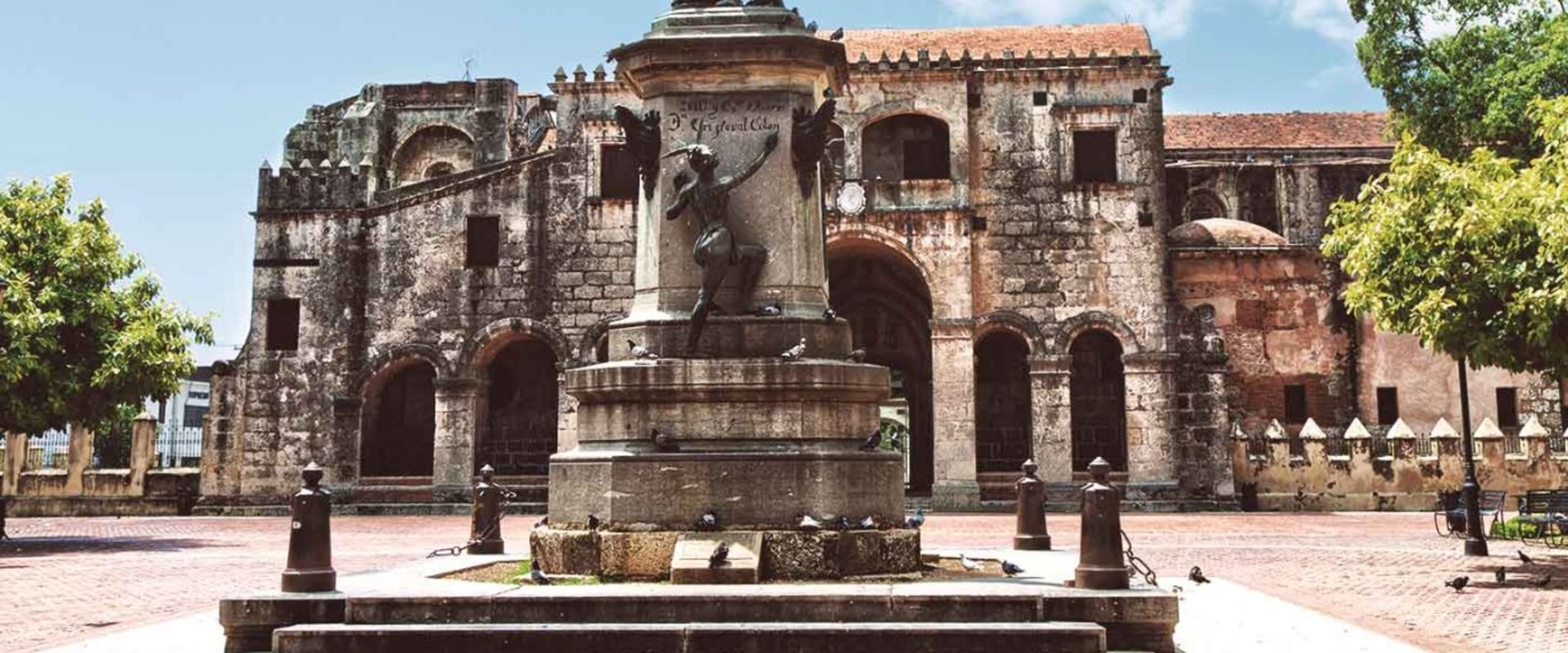
Parque Independencia is not just a park; it is a profound symbol of the Dominican Republic's journey towards freedom and self-determination. Nestled in the vibrant heart of Punta Cana, this historical park serves as a reminder of the struggles and triumphs that have shaped the nation. Visitors to Parque Independencia will find themselves surrounded by lush gardens, serene pathways, and significant monuments that tell the story of the Dominican Republic's fight for independence.One of the park's most notable features is the Monument to Independence , which stands tall as a tribute to the heroes who fought against colonial rule.Erected in 1844, this monument commemorates the declaration of independence from Spanish domination. The structure itself is an architectural marvel, adorned with intricate carvings and inscriptions that honor those who sacrificed their lives for freedom. As you stroll through the park, take a moment to reflect on the significance of this monument and what it represents for the Dominican people.In addition to the Monument to Independence, Parque Independencia is home to a statue of Christopher Columbus , another pivotal figure in the history of the Caribbean. This statue not only celebrates Columbus's discovery of the islands but also serves as a reminder of the complex history that followed his arrival.
The juxtaposition of these two monuments within the park highlights the duality of history—celebration and remembrance.The park itself is designed for both relaxation and education. Visitors can wander through beautifully landscaped gardens, where local flora thrives, providing a peaceful escape from the bustling city life. The pathways are lined with benches, making it an ideal spot for families and friends to gather, share stories, or simply enjoy the natural beauty surrounding them.For those interested in learning more about Dominican history, Parque Independencia often hosts cultural events and educational programs that delve into the nation's past. These activities provide an engaging way for visitors to connect with local traditions and understand the significance of independence in shaping modern Dominican identity.In summary, Parque Independencia is a must-visit destination for anyone looking to explore historical parks in Punta Cana.
Its rich history, beautiful landscapes, and significant monuments make it an essential stop for those wanting to learn all about Punta Cana and its cultural heritage. Whether you are a history buff or simply seeking a tranquil place to reflect, this park offers an enriching experience that captures the spirit of freedom and resilience inherent in the Dominican Republic.
Colonial Churches: Architectural Gems of Punta Cana
Punta Cana is not only renowned for its stunning beaches and luxurious resorts but also for its rich cultural heritage, prominently displayed through its colonial-era churches. These architectural gems serve as a testament to the Dominican Republic's historical journey and religious significance, making them essential stops for visitors eager to delve into the local culture.One of the most notable churches in Punta Cana is the Iglesia de San Diego de la Playa. This charming church, dating back to the 16th century, showcases a blend of Spanish colonial architecture and local influences.Its whitewashed walls and rustic wooden beams create a serene atmosphere that invites reflection and prayer. The church has undergone several renovations over the years, yet it retains its original charm, making it a popular site for both worshippers and tourists alike.Another significant religious site is the Iglesia de Nuestra Señora de la Altagracia , built in the 17th century. This church is dedicated to the patron saint of the Dominican Republic and features stunning stained glass windows that depict various biblical scenes. The intricate details of its architecture reflect the artistry of the time, with ornate altars and beautifully crafted wooden pews.
Visitors often find themselves captivated by the peaceful ambiance and the sense of history that permeates this sacred space.These churches are not just places of worship; they are also community hubs where locals gather for celebrations, festivals, and important life events such as weddings and baptisms. The vibrant atmosphere during these occasions offers visitors a unique glimpse into Dominican culture and traditions.In addition to their architectural beauty, these colonial churches play a vital role in preserving the history of Punta Cana. They stand as reminders of the island's colonial past and its evolution over centuries. For those interested in colonial architecture in the Dominican Republic, these sites provide an invaluable opportunity to appreciate the craftsmanship and design that have shaped the region.Exploring these historical churches not only enriches your understanding of Punta Cana's cultural landscape but also allows you to connect with the local community on a deeper level.
Whether you are seeking spiritual solace or simply wish to admire their architectural splendor, these colonial churches are must-visit landmarks that embody the heart and soul of Punta Cana.
Altos de Chavón: A Journey Back in Time
Altos de Chavón is a remarkable cultural village located in the Dominican Republic, specifically in the Punta Cana region. This enchanting destination offers visitors a unique blend of history and modernity, making it a must-visit for anyone looking to immerse themselves in the rich cultural tapestry of the area.Originally conceived in the 1970s by a group of artists and architects, Altos de Chavón was designed to resemble a 16th-century Mediterranean village. The vision was to create a space that not only showcased the beauty of traditional architecture but also served as a hub for artistic expression and cultural activities. The village is perched on a cliff overlooking the Chavón River, providing breathtaking views that enhance its charm.Historical Significance
While Altos de Chavón may be relatively modern in its construction, it draws heavily from historical influences.
The cobblestone streets, whitewashed buildings, and terracotta roofs are reminiscent of villages found along the Mediterranean coast. This architectural style pays homage to the colonial past of the Dominican Republic while also celebrating its vibrant present.One of the key features of Altos de Chavón is its cultural significance. The village is home to several art galleries, craft shops, and artisan studios where local artists showcase their work. Visitors can explore these spaces to discover unique handmade crafts, paintings, and sculptures that reflect the rich heritage of the Dominican Republic.
Activities and Attractions
In addition to its stunning architecture and artistic offerings, Altos de Chavón hosts various cultural events throughout the year.
These include music festivals, art exhibitions, and theatrical performances that attract both locals and tourists alike. The village also features a beautiful amphitheater that hosts concerts and performances against the backdrop of the picturesque landscape.For those interested in culinary experiences, Altos de Chavón offers several dining options ranging from casual eateries to fine dining restaurants. Visitors can savor traditional Dominican cuisine as well as international dishes while enjoying views of the surrounding countryside.Overall, Altos de Chavón stands as a testament to the Dominican Republic's commitment to preserving its cultural heritage while embracing modernity. Whether you're an art enthusiast, a history buff, or simply looking for a beautiful place to explore, this Mediterranean-style village is sure to leave a lasting impression.
Exploring Local Museums: A Window into the Past
When visiting Punta Cana, immersing yourself in the local culture and history is essential, and the region's museums offer a fascinating glimpse into the past.These institutions not only showcase artifacts but also tell the stories of the Dominican Republic's rich heritage. Here are some notable museums to explore during your stay.
1.Museo de la Altagracia
Located in nearby Higuey, the Museo de la Altagracia is dedicated to the patron saint of the Dominican Republic, Our Lady of Altagracia. This museum houses a collection of religious art and historical artifacts that reflect the deep-rooted Catholic traditions of the country. Visitors can expect to see:- Religious paintings depicting significant events in Dominican history.
- Statues and sculptures that illustrate the cultural significance of faith in daily life.
- Historical documents that provide insight into the evolution of religious practices in the region.
2.Indigenous Eyes Ecological Park and Reserve
While primarily an ecological park, the Indigenous Eyes Ecological Park also offers a unique perspective on the indigenous Taino culture that once thrived in this area.The park features:
- Interpretive trails that educate visitors about native flora and fauna.
- Cultural exhibits highlighting Taino artifacts and their way of life.
- Natural lagoons that were significant to indigenous rituals.
3.Casa de Campo Cultural Center
The Casa de Campo Cultural Center , located within the luxurious Casa de Campo resort, offers various exhibitions focused on Dominican art and history. The center frequently hosts:- Art exhibitions featuring local artists.
- Cultural workshops where visitors can learn traditional crafts.
- Theatrical performances that celebrate Dominican folklore.
The Beaches of Punta Cana: More Than Just Sun and Sand
The beaches of Punta Cana are not merely picturesque stretches of sand; they are vibrant hubs of history and culture that reflect the rich heritage of the Dominican Republic. Each beach tells a story, intertwined with the island's past, and offers visitors a unique opportunity to connect with the local culture.One of the most significant aspects of Punta Cana's beaches is their historical importance.For centuries, these shores have been a meeting point for various cultures, from the indigenous Taino people to European explorers and settlers. The coastal areas served as vital trade routes and were often the first landing spots for ships arriving from Europe. This historical backdrop adds depth to the experience of lounging on the beach or engaging in water activities.Among the most renowned beaches is Bavaro Beach , famous for its stunning white sands and crystal-clear waters. Beyond its beauty, Bavaro Beach has historical significance as it was once a site for sugar cane plantations during the colonial era.
Today, visitors can explore this rich history through guided tours that delve into the region's past while enjoying modern amenities.Activities on Punta Cana's beaches also serve as a bridge to local culture. For instance, many resorts offer traditional Dominican cooking classes right on the beach, where guests can learn to prepare local dishes using fresh ingredients sourced from nearby markets. This culinary experience not only tantalizes the taste buds but also provides insight into the island's agricultural practices and culinary heritage.Water sports are another way to engage with Punta Cana's cultural landscape. Snorkeling and diving excursions often include visits to coral reefs that have historical significance, such as those near Playa Macao.
These reefs are not only home to diverse marine life but also serve as reminders of the ecological importance of preserving natural resources that have sustained local communities for generations.Moreover, many beaches host cultural events and festivals throughout the year, celebrating everything from music to art. These gatherings allow visitors to immerse themselves in Dominican traditions while enjoying live performances against the backdrop of stunning ocean views.In conclusion, the beaches of Punta Cana offer more than just sunbathing opportunities; they are gateways to understanding the island's rich history and vibrant culture. By participating in local activities and exploring historical narratives, visitors can create lasting memories that go beyond mere relaxation on the sand.
Cultural Festivals: Celebrating Heritage in Punta Cana
Punta Cana is not only renowned for its stunning beaches and luxurious resorts but also for its vibrant cultural festivals that showcase the rich heritage of the Dominican Republic. These events are a fantastic opportunity for visitors to immerse themselves in local traditions, music, dance, and culinary delights, providing a deeper understanding of the community's spirit and history.One of the most significant celebrations is the Dominican Carnival , which takes place every February.This lively event features colorful parades, elaborate costumes, and rhythmic music that fills the streets. Each town has its own unique way of celebrating, but Punta Cana's festivities are particularly notable for their inclusivity and energy. Participants often dress as traditional characters, such as Diablos Cojuelos, who represent the playful and mischievous spirit of the carnival.Another important festival is the Festival de Merengue , typically held in July. This event celebrates the national dance and music genre that originated in the Dominican Republic.
Visitors can enjoy live performances from local artists, dance workshops, and competitions that highlight both traditional and contemporary styles of merengue. The festival not only entertains but also educates attendees about the significance of merengue in Dominican culture.The Fiesta de la Altagracia , celebrated on January 21st, honors the patron saint of the Dominican Republic, Our Lady of Altagracia. This festival is marked by religious processions, music, and communal gatherings. It reflects the deep-rooted faith of the Dominican people and their commitment to preserving their spiritual heritage.In addition to these major events, Punta Cana hosts various smaller cultural gatherings throughout the year.
These include art exhibitions, food fairs, and local craft markets that allow artisans to showcase their work. Such events are perfect for tourists looking to take home a piece of Dominican culture.Participating in these cultural festivals not only enriches your travel experience but also fosters a sense of connection with the local community. Engaging with residents during these celebrations provides insight into their customs and traditions, making your visit to Punta Cana truly memorable.
Practical Tips for Exploring Historical Sites in Punta Cana
Exploring the historical sites in Punta Cana can be a rewarding experience, but to make the most of your visit, it’s essential to plan ahead. Here are some practical tips to enhance your journey through this culturally rich region.Transportation Options
Getting around Punta Cana can be straightforward if you know your options:- Rental Cars: Renting a car gives you the freedom to explore at your own pace.
Be sure to familiarize yourself with local driving laws and road conditions.
- Taxis and Ride-Sharing: Taxis are readily available, but it’s advisable to agree on a fare before starting your journey. Ride-sharing apps like Uber also operate in the area, providing a convenient alternative.
- Guided Tours: Consider joining a guided tour that focuses on historical sites. This can provide valuable insights and ensure you don’t miss any key attractions.
Best Times to Visit
The timing of your visit can significantly impact your experience:- Off-Peak Seasons: Visiting during the shoulder seasons (late spring and early fall) can help you avoid crowds and enjoy a more intimate experience at historical sites.
- Mornings or Late Afternoons: For the best light for photography and fewer tourists, aim to visit sites early in the morning or later in the afternoon.
- Cultural Events: Check local calendars for cultural festivals or events that may coincide with your visit. These occasions often include historical reenactments or special tours.
Making the Most of Your Experience
To truly immerse yourself in the history of Punta Cana, consider these tips:- Research Ahead: Familiarize yourself with the history of each site you plan to visit.
Understanding the context can enhance your appreciation of what you see.
- Engage with Locals: Don’t hesitate to ask locals about their history and culture. They can provide unique insights and stories that you won’t find in guidebooks.
- Take Your Time: Allow yourself plenty of time at each site. Rushing through can lead to missing out on important details and experiences.
Conclusion: Embracing the History of Punta Cana
In conclusion, exploring the historical sites and landmarks of Punta Cana is not just an enriching experience; it is a vital part of understanding the cultural heritage of this beautiful region. Each site tells a story, weaving together the threads of the past with the vibrant present, allowing visitors to appreciate the depth of the Dominican Republic's history.From the significant monuments in Parque Independencia , which honor pivotal moments in the nation’s fight for independence, to the stunning colonial churches like Iglesia de San Diego de la Playa and Iglesia de Nuestra Señora de la Altagracia , each location offers a glimpse into the spiritual and historical fabric of Punta Cana.These sites are not merely tourist attractions; they are places of reflection that connect visitors to the struggles and triumphs of those who came before.Furthermore, Altos de Chavón stands as a testament to how history can be preserved and celebrated in modern times. This picturesque village, with its cobblestone streets and Mediterranean architecture, invites visitors to step back in time while enjoying contemporary art and culture. It serves as a reminder that history is not static but rather a living entity that continues to evolve.The beaches of Punta Cana, while known for their natural beauty, also hold historical significance. They have been witness to centuries of cultural exchange and development, making them integral to understanding the region's past.
Whether you are lounging on Bavaro Beach or exploring the more secluded Cabrera Beach , you are partaking in a landscape that has shaped the identity of this area.Ultimately, embracing the history of Punta Cana enhances your travel experience. It allows you to connect with the local culture on a deeper level, fostering appreciation for the rich tapestry of stories that define this Caribbean paradise. As you plan your visit, make it a point to explore these historical sites and landmarks; they are gateways to understanding all that Punta Cana has to offer.